

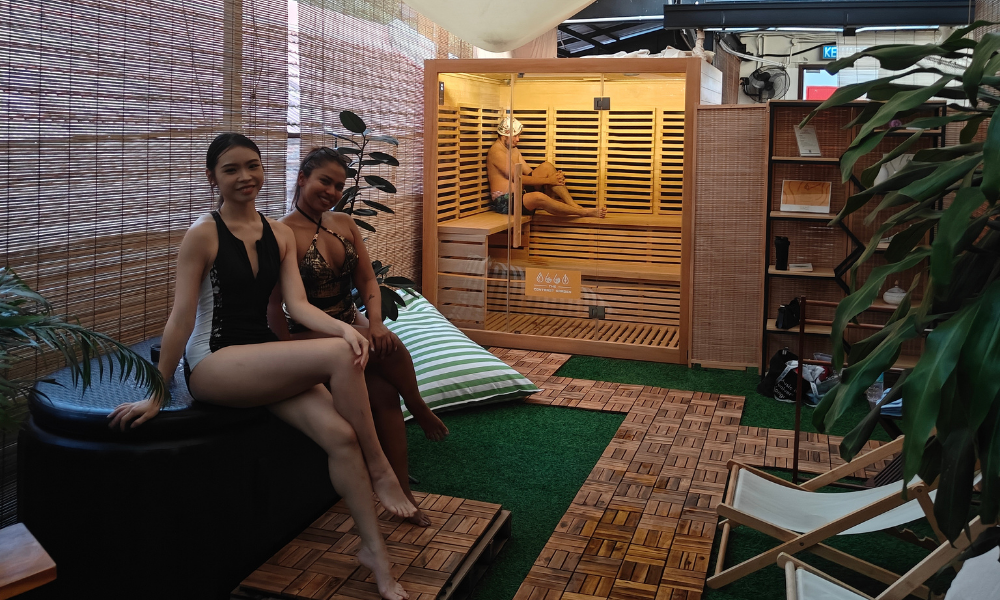
Contrast therapy is taking off in KL because people are starting to understand that recovery, mental and physical, isn't optional. Life puts stress on the body whether that stress comes from training, from work, or just from the pace of daily life. When you're performing at a high level, using close to a hundred percent of your battery, physically or mentally, you need a real way to unwind, not just a distraction from it.
That need is part of a bigger movement. The wellness industry as a whole is growing fast, whatever form it takes for a given person: retreats, yoga, meditation, whatever. Contrast therapy is a newer thread running through that same movement. And when something like sauna and cold plunge together is scientifically shown to make you more alert, help you recover faster from exertion or injury, and improve mental health, people naturally gravitate toward it.
Contents
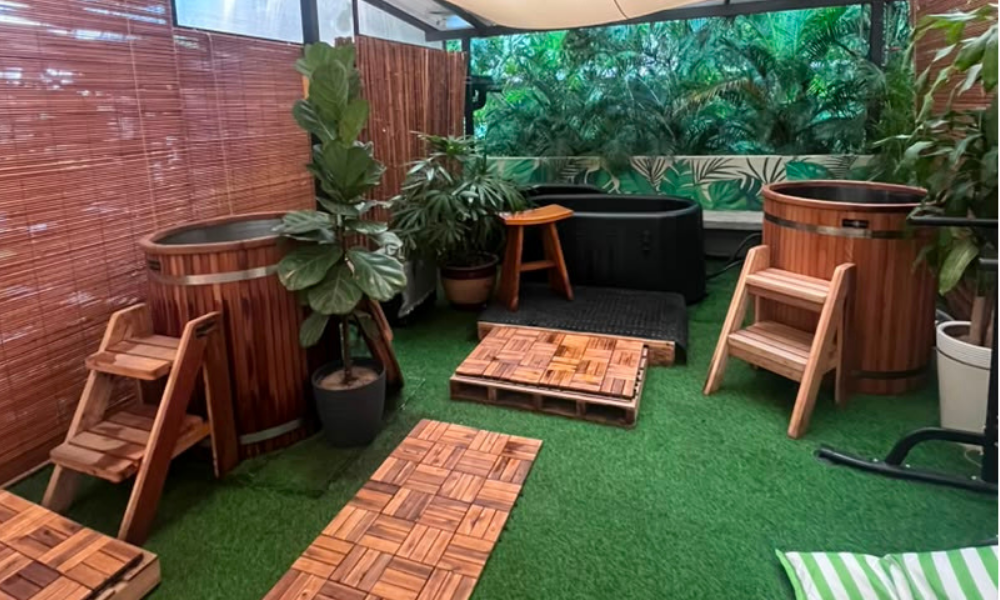
Contrast therapy means moving between a hot environment and a cold one, specifically a sauna and a cold plunge or ice bath, for mental and physical benefit.
Physically, it stimulates blood flow and eases sore muscles. Switching rapidly between hot and cold creates a kind of natural vascular pumping: your blood vessels open in the heat and narrow in the cold, and that push-pull effect reduces swelling, eases stiffness, and speeds up recovery. Some studies suggest it can roughly halve delayed onset muscle soreness (DOMS) after hard training. It also stimulates your central nervous system and triggers the release of hormones like adrenaline, which is part of why people come out of a session in a better mood, not just a more relaxed one. On the mental side, the release of endorphins and dopamine is a big part of why people leave feeling sharper and more alert, not just calmer.
Roughly: 10–15 minutes in the heat phase, at around 90°C, and 3–5 minutes in the cold, somewhere between 4°C and 12°C. There's no extra benefit to staying in the cold longer than that, and any place or challenge that encourages people to sit in a cold plunge for long stretches isn't doing right by its customers. Past a certain point it stops being therapeutic and starts being dangerous. Hypothermia is a real risk, not a hypothetical one.
The same is true in reverse for the heat. Staying in a sauna too long raises your pulse and blood pressure and puts real stress on your heart. That makes it a bad idea for anyone with heart disease, high blood pressure, or poor circulation, and for anyone who's pregnant. If any of that applies to you, talk to your doctor before trying contrast therapy.
Hydration matters more than people expect, too. You sweat a lot during a session, and if you don't hydrate properly, that combined with the heat can lower your blood pressure and leave you feeling dizzy. Drink water before and after.
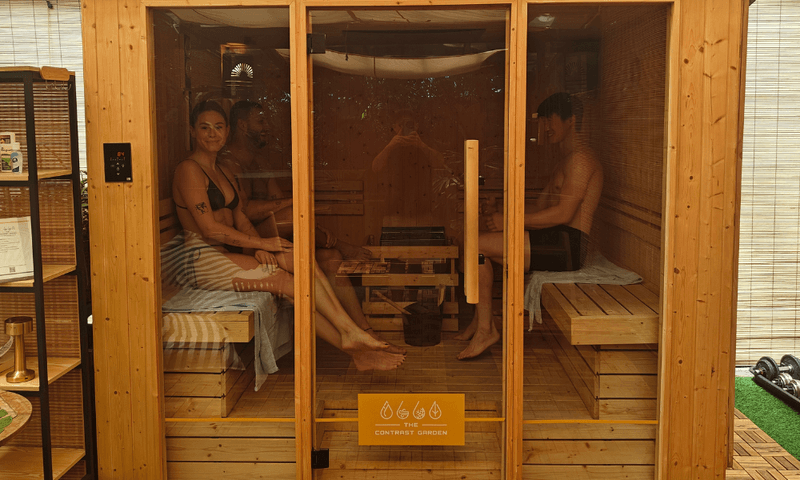
None of this is new. Finnish sauna culture goes back thousands of years. Russia has its own long-standing version in the banya. Japan has its own bathing traditions built around the same idea of heat, cold, and ritual. Different cultures, same instinct: deliberately changing your body's temperature is good for you, and good to do with other people.
What's changed is that the practice has moved out of those specific traditions and into sports medicine and rehab settings, and now into everyday wellness. It's always been part of professional sport. What's new is everyone else catching up to it.
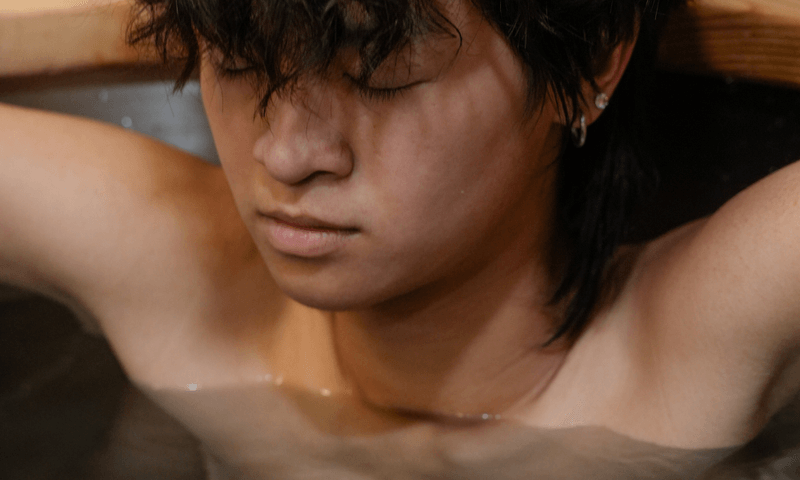
Temperature regulation is one of the most fundamental things your body does. Contrast therapy puts you directly in touch with that: you become aware of your breath, aware of the cold, and you start to notice the exact point where a temperature change moves from soothing to uncomfortable. Over time, you learn the difference between actual danger and simple discomfort. That's a skill, and it carries over.
It takes your stress response to a new level, in a good way. It trains you to manage stress in situations that have nothing to do with sauna or cold water. If you've got a high-stress job, a family to manage, whatever else life throws at you, that matters. You have to move through discomfort in life generally, and there's not much more immediately uncomfortable than stepping into cold water on purpose.
These benefits are largely observational rather than something we'd claim is clinically proven, but they're widely understood and reported by the people who do this regularly. Some people find contrast therapy deeply unpleasant or stress-inducing at first, and that's often less about the cold itself and more about what else is going on in their life. Moving into that discomfort, and understanding it, is part of what makes people better equipped to handle whatever the day brings.
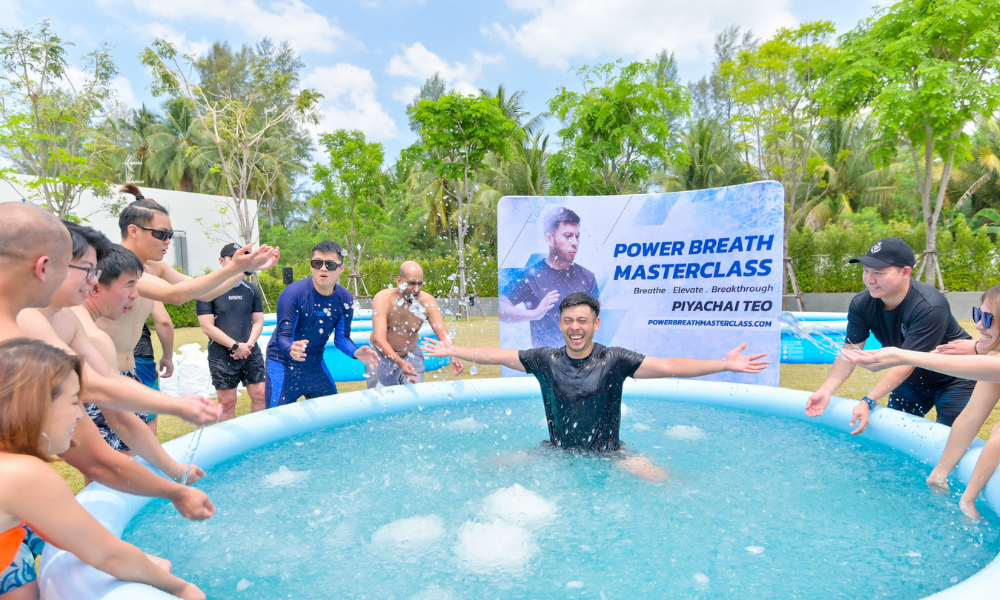
Breathwork is a piece of contrast therapy that's easy to overlook, but it's just as important as the hot and cold itself, and it's a big part of why Wim Hof has become such a well-known name in this space. Controlled breathing is part of how you should approach an ice bath, and it has a place in the sauna too. It's worth practicing on its own, not just as an add-on.
The reason it works comes down to your nervous system. Cold exposure triggers a fight-or-flight response: that's your sympathetic nervous system reacting to stress. Deliberate, controlled breathing is one of the most effective ways to activate the opposite: your parasympathetic nervous system, the one that calms you back down. It builds a stronger vagus nerve response over time, which is a large part of why regular practitioners get better at handling stress generally, not just stress in cold water.
The Wim Hof Method itself is built around three pillars: breathing, controlled cold exposure, and mindset. Breathwork is what lets you practice specific breathing techniques deliberately and build real mindfulness about what's happening in your body in the moment, rather than just gritting your teeth through it. You can practice Wim Hof-style breathing anywhere, any time: there are plenty of guided videos available online.
At The Contrast Garden, we run dedicated breathwork sessions led by Piyachai Teo, a certified Wim Hof Method instructor who has trained directly with Wim Hof. The session pairs a breathwork class with a guided sauna and cold plunge, and it's specifically designed to teach you how to control your breathing under stress, manage anxiety, and get more out of the temperature work that follows. Using breathwork before getting into the cold plunge, in particular, makes a real difference.
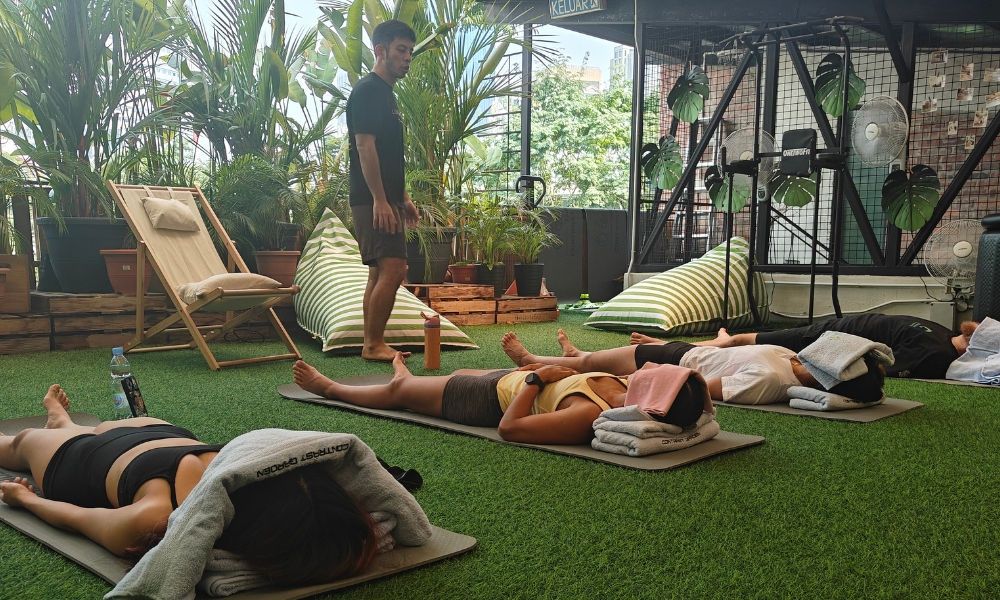
A big part of why this is catching on in KL specifically is the community side of it. It works in small groups or large ones. It works as a date night. And it's a good alternative to the usual way people unwind: going out, having a drink, maybe one too many, and not feeling great the next day. Contrast therapy gives you something closer to a natural high, and you still feel good the next morning.
Pair it with good music and good conversation and it becomes a ritual. Sauna culture has traditionally been a place where people gather to talk through the week, connect, even do business, going back generations across Finland, Russia, and Japan. That same instinct has just filtered down to everyone now, not just a specific culture or generation.
KL fits this well. It's a big, bustling, forward-thinking city by Southeast Asian standards, with a real fitness culture: running groups, gyms, fitness competitions, and a younger generation pushing the wellness trend generally. More places have opened across the city to meet that demand. And KL's heat and humidity make the cold plunge side of it an especially easy sell, even if a hot sauna doesn't sound like the obvious thing to want in this climate.
Start conservatively. You don't need long stretches in either the heat or the cold to begin with. Something like a minute in the cold plunge and five minutes in the sauna is a reasonable starting point, well short of what more experienced people work up to. There's no virtue in pushing past your limits before you're ready. Like anything, it takes practice, and you shouldn't feel pressured by anyone else in the room to go longer or colder than feels right for you.
Drink water. And if it's something you want the benefits from, do it consistently. Consistency is what makes you better at it, the same as with anything else.
Contrast therapy isn't a cure for anything and it's not a substitute for medical treatment. It's a practice. But it's one that can help you feel better, mentally and physically. If that sounds like something you want, come try it at The Contrast Garden.
Contrast therapy is moving between a hot environment, usually a sauna, and a cold one, usually a cold plunge or ice bath. The temperature change improves circulation, eases muscle soreness, and has real mental health benefits, including better alertness and mood.
As a guide: 10–15 minutes in the sauna at around 90°C, and 3–5 minutes in the cold at 4–12°C. If you're new to it, start much more conservatively, around 5 minutes in the sauna and a minute in the cold plunge, and build up over time.
For most healthy adults, yes. It's not recommended for anyone with heart disease, high blood pressure, or poor circulation, or for anyone who's pregnant, since the heat phase raises pulse and blood pressure. Staying too long in the cold can also cause hypothermia. If any of this applies to you, check with your doctor first. It's not a substitute for medical treatment.
No. It helps with athletic recovery, but most people come for the mental and stress-relief benefits, or simply to feel better after a hard week. Our team walks first-timers through everything.
Community Contrast Therapy is RM65 for 45 minutes or RM88 for 90 minutes. Private Contrast Therapy is RM250 for 75 minutes, up to 6 people. Credit packs start from RM300 for regular visits.
The Contrast Garden, at The Row in Chow Kit, is KL's only outdoor rooftop sauna and cold plunge experience, five minutes from KLCC. Private and community sessions are both available.
Yes. Breathwork Classes are RM150 for a 90-minute session, capped at 12 people, and include a guided sauna and cold plunge session afterward. Sessions are led by Piyachai Teo, a certified Wim Hof Method instructor who trained directly with Wim Hof.


.png)