

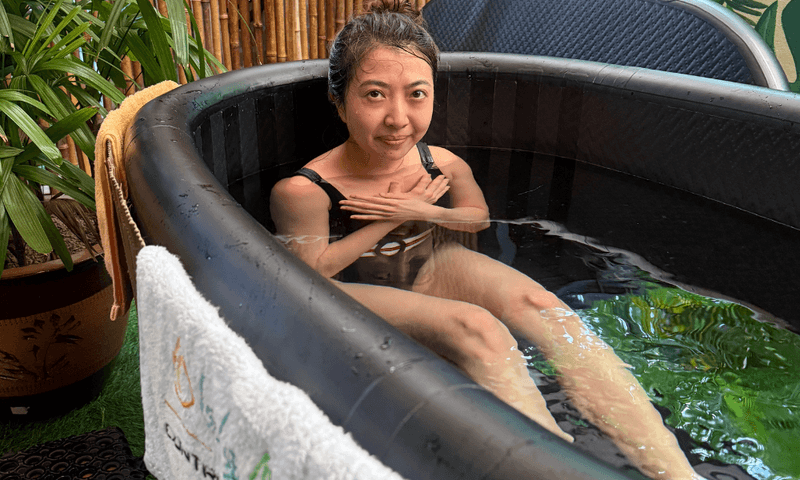
If you're reading this, you've probably seen something on Instagram or read something that made you think cold plunge and sauna might be worth trying, whether that's for athletic recovery or for what it does for your mental health. It's gaining popularity everywhere, and you want to see the benefits for yourself.
There's no strict rulebook for a first cold plunge. There isn't one right way and one wrong way. But there are a few things worth knowing so you don't put yourself at risk, and so you get the full benefit and the full feeling out of it, rather than coming out the other side thinking "what was the big deal?"
Contents
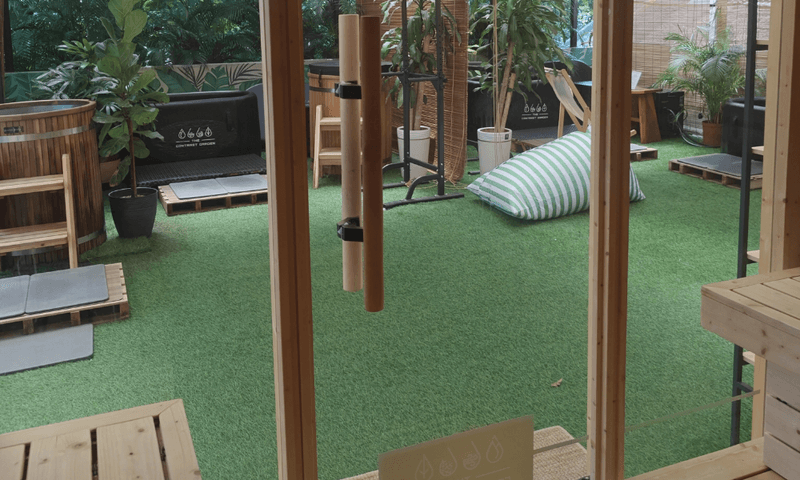
Cold water, below a certain temperature sets off an immediate alarm in your nervous system: the same "get out, right now" signal your brain would send if something dangerous were chasing you, or you lost control of a car. That response is real, and it exists for a good reason.
It's also the mechanism behind why you feel so good once you're out, which is the point of doing this at all. Cold exposure triggers a surge of norepinephrine and dopamine, the chemicals behind sharper focus, elevated mood, and alertness, and that lift carries on for hours after you towel down. Your blood vessels constrict tight in the cold, then rush back open once you're warming up, which is where that famous post-plunge glow comes from. Add in a release of endorphins and reduced inflammation, and you get faster muscle recovery alongside feeling mentally switched on. You feel amazing afterward, and it's a direct result of the very thing that felt alarming thirty seconds earlier.
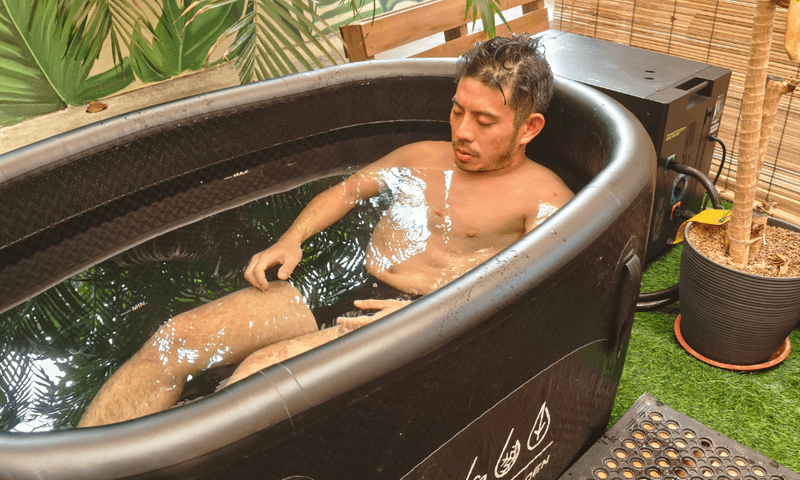
The single most useful thing you can do to prepare is focus on your breath before you get in. Your fight-or-flight response, the same one that fires in an argument or bad traffic, sends your heart rate up and your breathing fast and shallow. Cold water triggers the exact same response: you'll gasp and feel the urge to hyperventilate, which only raises your blood pressure and heart rate further and tells your brain to get out immediately.
Breathing through it does the opposite. Before you get in, inhale for four seconds and exhale slowly for eight, concentrating on nothing but that breath. Do this for about a minute and your body starts to register that it isn't in actual danger. It's still intense, but the urgency drops off fast, and you can settle into what's left.
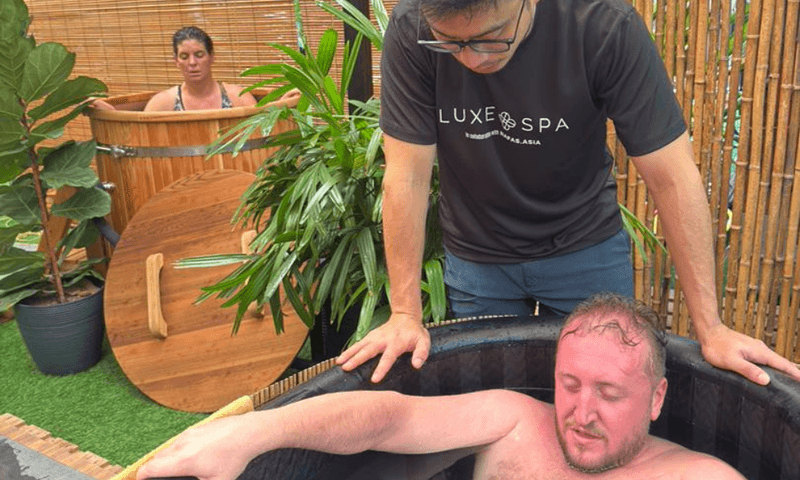
On your first plunge, aim for about a minute, focused entirely on your breathing. Reading about this and doing it are two different things: most of what you've just read will get thrown out the window the moment the cold hits, and that's completely normal. What carries over is the practice of following through on it. That's what gets you through the first minute, the hardest part you'll ever do. Every plunge after this one gets easier.
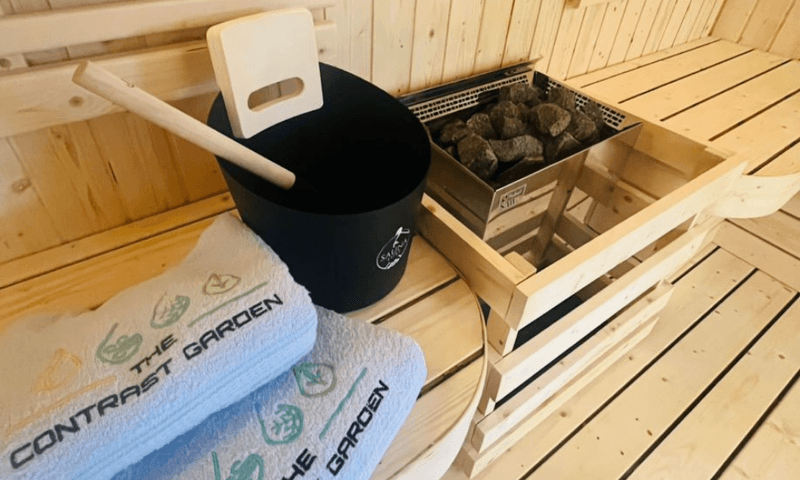
As part of a full contrast therapy session, build up gradually across visits: a minute the first time, then a minute and a half, then two, each time concentrating on your breath and staying as calm as you can manage. Give yourself around five minutes between the sauna and the cold plunge rather than going straight from one extreme to the other.
Training your stress response here carries straight over into traffic, work, and family, the same way training for a new lift or a new running distance builds a kind of confidence your body remembers. You're practicing choosing calm over panic, and you get better at it with every attempt.
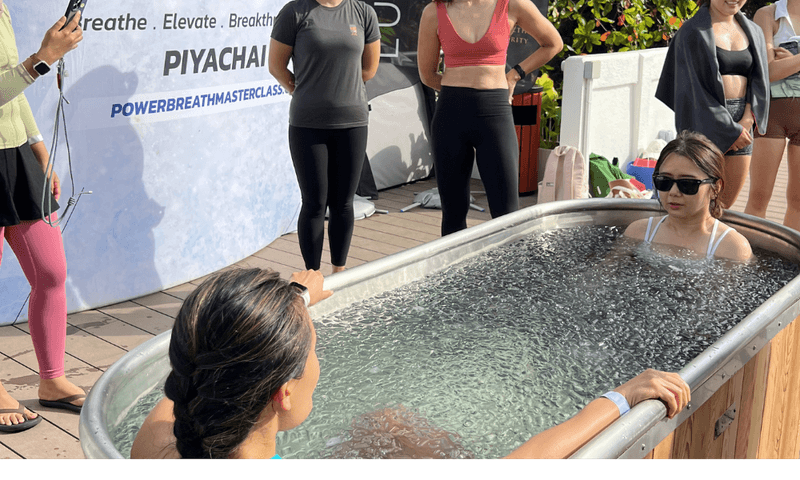
Whether you come alone or with a friend, having someone there who's done this before makes a real difference. Your own head is the biggest obstacle in cold water, far more than the water itself, and getting out of it is easier with someone coaching you through it in real time.
At The Contrast Garden, that's Piyachai Teo, Malaysia's first certified Wim Hof Method breathwork instructor, and a team with years of experience across wellness, breathwork, and cold plunge, through both running venues and sport. Having someone tell you plainly that you can do this, and mean it, makes it far more likely you will. Most guests who've had that guidance for their first plunge or two build the confidence to do it alone after that, and plenty come back bringing a friend, ready to be the encouraging voice themselves.
Your cold plunge should be about your own limits and your own progress, not a stopwatch and not anyone watching. Staying in longer than three to five minutes, especially early on, will shock your body: expect tingling, or an overwhelming cold that lingers, your body's way of telling you that was too long. Push past that and you're risking hypothermia. There's no benefit to staying in longer than five minutes, none, and any business promoting it as a challenge or a certificate to earn isn't doing right by its customers. We don't advise that, ever.
First-timers at The Contrast Garden usually start at around 10°C. We don't advise going colder than that on your first visit, but it's your call, and staff are there either way to help you make it a good one.
Cold plunge isn't for everyone. If you have cardiovascular issues, diabetes, or you're pregnant, medical professionals advise against it, both for safety and because you won't get the benefit you're after. Get your doctor's approval first if any of this applies to you.
That's also why we ask guests to sign a waiver. Like anything that puts real stress on your body, you should be in reasonably good health to do it. You wouldn't run 10km with zero training on day one, and a five to ten minute cold plunge deserves the same respect.
Just yourself and comfortable swimwear. Towels are provided. If you wear contact lenses or have long hair, a hair tie is worth having, but that's it. Leave valuables at home or somewhere you're comfortable setting down, since you won't want to be holding anything once you're in the water.
No. Most of our guests are first-timers. Staff walk you through breathing, timing, and technique every time, so you're never left to figure it out alone.
First-timers usually start at around 10°C. We don't advise going colder than that on your first visit, but it's ultimately up to you, and staff can guide you either way.
Aim for about a minute, focused on your breathing. Most people build up to three to five minutes over time. There's no benefit to staying in longer than five minutes, and we don't encourage it.
That's completely normal. Before getting in, try inhaling for four seconds and exhaling for eight, focused entirely on your breath. Most of the panic response passes within the first minute if you stick with it, and staff are right there with you the whole time.
No. If you have cardiovascular issues, diabetes, or are pregnant, cold plunge isn't recommended, both for safety and because you won't get the intended benefit. Get your doctor's approval first if you think this applies to you. We ask all guests to sign a waiver before their session.
Just comfortable swimwear. Towels and everything else are provided.
Community Contrast Therapy is RM65 for 45 minutes or RM88 for 90 minutes. Private Contrast Therapy is RM250 for 75 minutes, up to 6 people.


.png)